
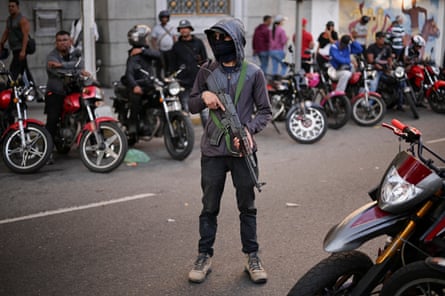
Venezuela’s power struggle sharpens after Maduro’s seizure as hardliner Cabello vows resistance
Venezuela’s political crisis has entered a volatile phase following the U.S. seizure of Nicolás Maduro, who is now being held in New York. The episode has triggered a scramble for control and messaging in Caracas, with senior officials seeking to rally supporters while managing fears of further escalation. Interior Minister Diosdado Cabello, one of the most influential Chavista figures and closely linked to security structures, has taken a sharply defiant stance. He has portrayed Maduro’s removal as an abduction and urged resistance, language that contrasts with more cautious efforts by other officials to project continuity and avoid panic. The split matters because Cabello’s influence extends beyond formal titles: he is seen as a key node connecting political power, security forces, and loyalist armed groups. If his camp pushes for retaliation or refuses compromise, it could complicate any attempt by interim authorities to reduce tensions at home and abroad. With the country already polarized and institutions strained, Venezuela’s next steps may depend less on formal succession rules and more on whether governing factions stay aligned—or begin competing openly—over strategy, control of the streets, and relations with foreign powers.
08.01.2026
https://www.ft.com/content/0c73c29c-f4ce-44c3-9ea8-f6265c065635